
 en
en
 Vietnamese
 English
 Chinese
Engineered Quartz vs Natural Stone? Ultimate Countertop Comparison
Engineered Quartz vs Natural Stone? Ultimate Countertop Comparison
Overview of Engineered Quartz vs Natural Stone
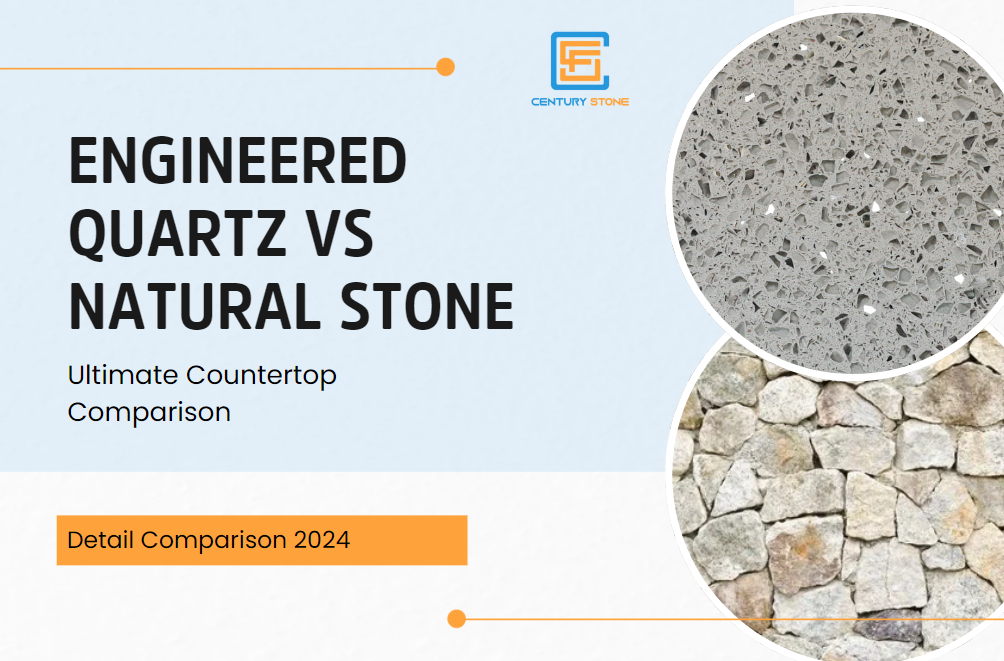
Engineered quartz and natural stone represent two of the most sought-after materials for countertops, each offering their unique charm and practical benefits. Engineered quartz is a sturdy composite made from crushed quartz crystals fused with pigments and resin, providing a uniform and customizable appearance reminiscent of natural stone. On the other hand, natural stone countertops, like marble or granite, boast an inherent uniqueness, with each slab featuring its one-of-a-kind pattern. The main differences between these materials lie in aspects like durability, repairability, and maintenance, which play a crucial role in their effectiveness for different kitchen applications. Discover the ideal countertop companion for your culinary sanctuary as we delve into the merits of engineered quartz versus natural stone.
Pros and Cons of Quartz Countertops
Pros and Cons of Quartz Countertops
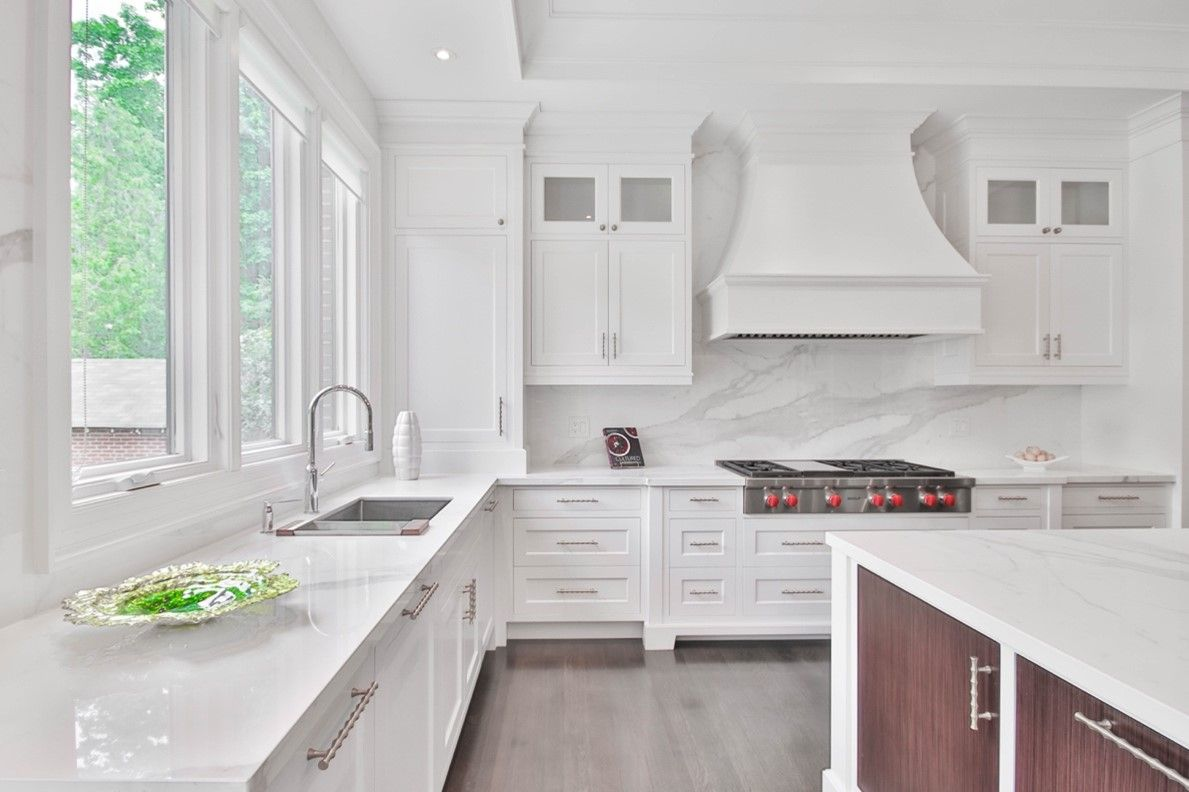
Quartz countertops are revered for their durability and low maintenance, making them a top contender in the modern home. They're incredibly strong, resisting scratches and common stains, which means they can stand up to the rigors of daily life. Plus, the non-porous surface means bacteria and mold don't stand a chance, ensuring a hygienic workspace for your culinary adventures.
On the design front, if you're after a specific look, quartz has you covered with a vast array of colors and patterns that can mimic the natural aesthetics of stone or provide a completely unique look. This manufacturing flexibility also ensures uniformity, so you won't get any unwanted surprises in the pattern or color consistency across your countertop.
However, there are a few points to digest before making your decision. Quartz countertops are sensitive to heat, so you'll need to be careful with hot pots and pans. They generally come at a higher cost compared to some natural stone, and may not be the best choice if you're dedicated to the natural look and feel of materials like granite or marble. Also, if your countertops are exposed to sunlight, you might notice some discoloration over time due to UV sensitivity.
Considering these pros and cons can help ensure that your kitchen meets both your functional needs and aesthetic preferences.
Comparing Aesthetics and Functionality
Design Versatility: Patterns and Colors
Pros and Cons of Quartz Countertops
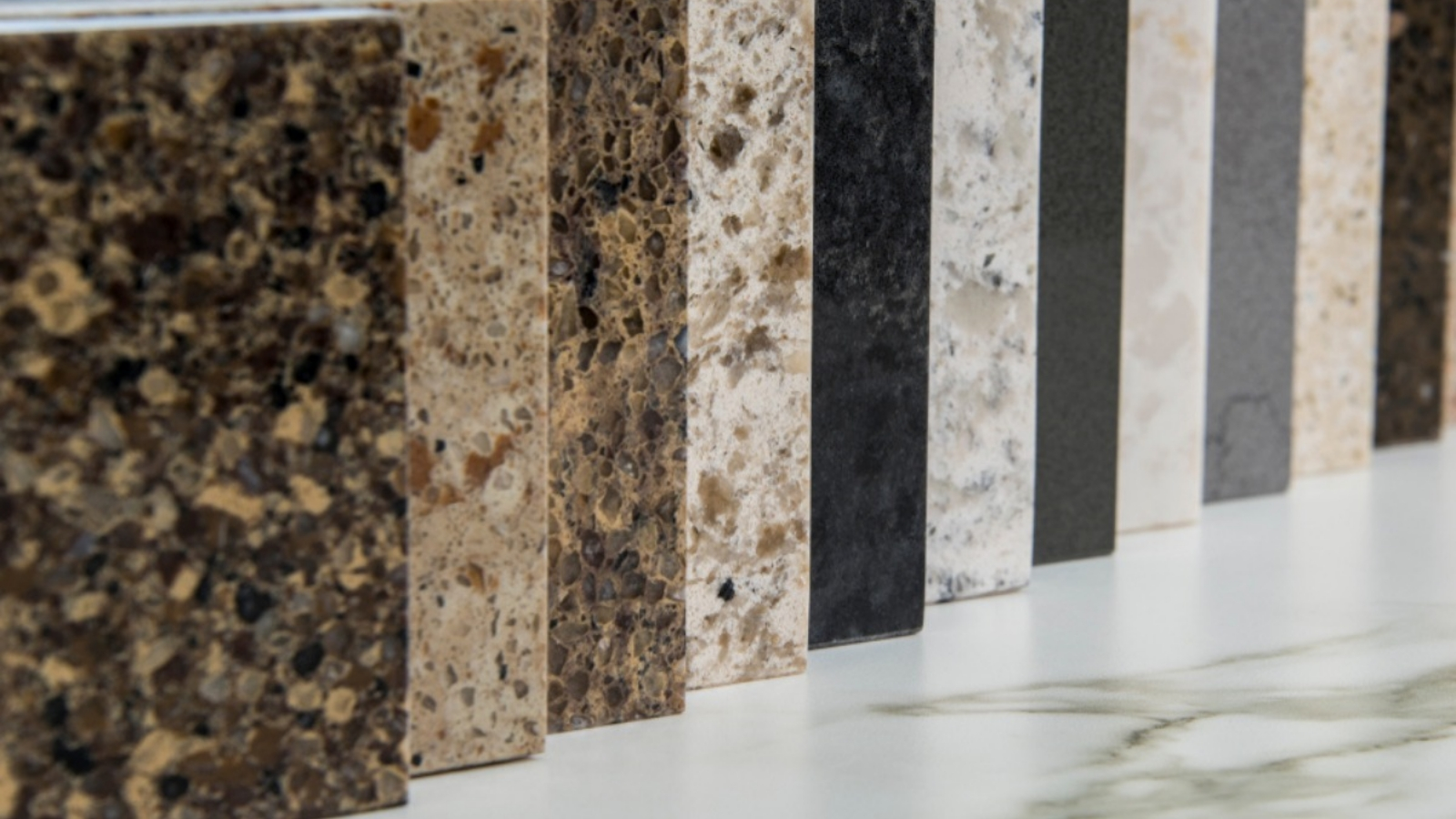
The design versatility of quartz countertops is undoubtedly one of their standout features. Since quartz is engineered, they can customize the material to sport an astonishing variety of colors and patterns. Whether you're aiming for a bold, statement piece with deep hues and vibrant patterns or a subtler, minimalist look with soft, monochromatic shades, quartz has got you covered. They can even replicate the appearance of natural stone countertops like granite or marble, providing the luxury look without the associated maintenance.
Furthermore, quartz manufacturers can adjust the countertop's finish, gloss level, and textural appearance to meet specific design visions, ensuring that the final product integrates seamlessly with your overall space. This means, if you're renovating and have a particular theme in mind, quartz can be tailored to complement your cabinets, flooring, and fixtures to either stand out or blend in harmoniously.
Cost and Value of Quartz vs Natural stone
When weighing your options between quartz and natural stone countertops, your budget will undeniably play a pivotal role. Both quartz and natural stone, such as granite or marble, bear a similar price tag, veering towards the higher end of the countertop market. The exact cost, however, can fluctuate based on factors like brand, quality, and design intricacy.
Feature
Quartz (Engineered Stone)
Natural Stone
Price per square foot (approx.)
$60 - $150
$55 - $200
Quartz often offers a predictable pricing structure, because it's engineered and mass-produced. The value you receive from quartz lies not just in its aesthetic versatility but also in its durability and ease of maintenance which can translate to long-term cost savings.
In contrast, the cost of natural stone countertops varies widely as it is subject to the rarity of the stone, the complexity of your installation, and the level of craftsmanship required. Natural stone can bring unparalleled authenticity and a timeless feel to your space that may also enhance your home's resale value, appealing to buyers looking for that unique, high-end touch.
Considering both materials tend to be comparable in cost, they should be viewed as investments. When looked after properly, they can endure for decades, making either choice a valuable addition to your home.
Quartz vs Natural stone - Environmental Considerations
Sustainability of Material Choices
Quartz vs Natural stone - Environmental Considerations
When considering the environmental footprint of countertop materials, the sustainability of engineered quartz and natural stone each have different aspects to consider.
Quartz countertops, while not a natural resource, have some sustainable features to note. They are often comprised of a large percentage of quartz, which is an abundant material. However, they also contain resins and polymers that are synthetic, which are not renewable and can off-gas volatile organic compounds (VOCs) into your home. Many quartz manufacturers are making efforts to reduce these impacts by using recycled materials and by producing low-VOC products.
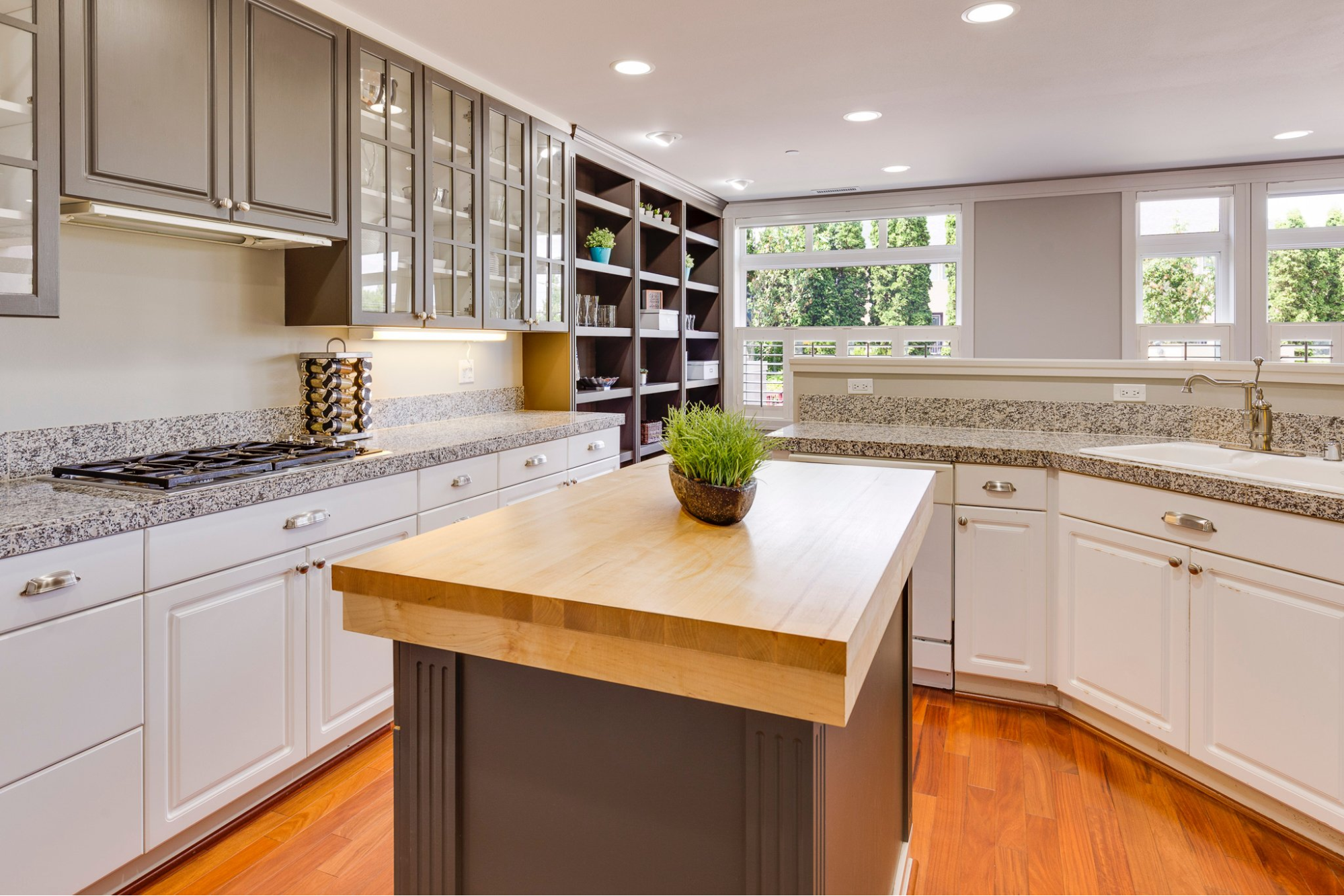
On the flip side, natural stone countertops, such as granite, don't require the use of chemicals for manufacturing and are 100% natural. However, the extraction and transportation process of large stone slabs can have a significant environmental impact, especially if the stone is sourced from distant locations which increases the carbon footprint due to transport.
Both quartz and natural stone have pros and cons in terms of sustainability, and it's worth exploring the specific practices of the manufacturers or suppliers you consider, including where and how they source their materials, to make the most environmentally informed decision possible.
Installation and Long-Term Use
Quartz vs Natural stone - Environmental Considerations
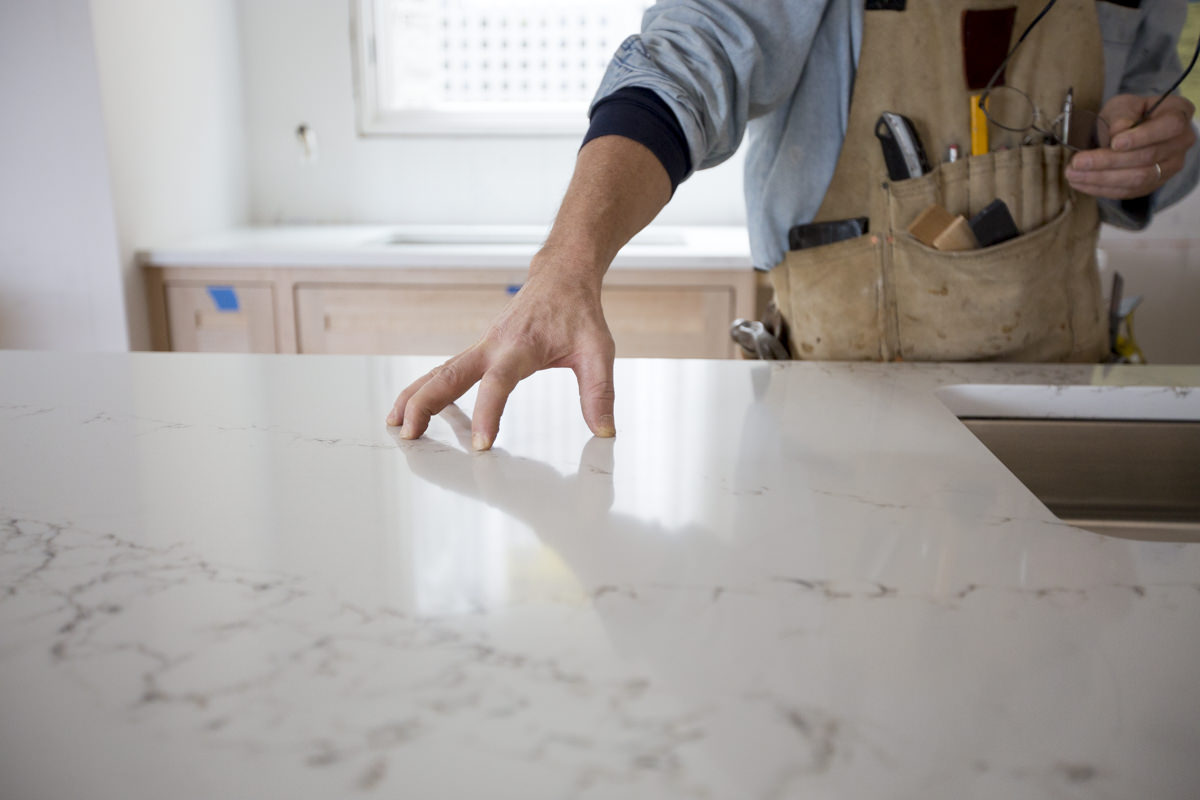
If installation excellence is a priority, professional fitting for your quartz or natural stone countertops is non-negotiable. These are heavy, cumbersome materials that require expert handling and precise measurements to ensure a perfect fit in your space.
For quartz, one of the concerns might include seam visibility. With a professional installer, you're more likely to have seams that blend seamlessly with the rest of the countertop, maintaining that smooth, uniform appearance. Also, they will take precautions to avoid chipping and cracking during the installation, which is crucial given the material's rigidity.
With natural stone, the professional installer's expertise is no less critical. The unique patterns and vein directions in natural stone warrant a craftsman's eye to match and align the slabs aesthetically. And, like quartz, professional handling is vital to avoid any damage to the slabs.
Having seasoned pros on the job means all potential problems can be foreseen and handled with care. Additionally, many reputable companies hold the proper insurance and warranties that protect you should anything unexpected occur.
Living with Your Choice
Living with your choice of countertop is where you'll truly feel the impact of your decision day to day. Quartz countertops are champions of durability and ease, resisting stains, cracks, and chips like a dream. They remain unfazed by most of the spills, knocks, and activities that are part of everyday kitchen life. However, they are not invulnerable to high heat; placing a hot pan directly on the surface can cause damage, so always use protective trivets.
Natural stone, while robust, comes with the acceptance of a certain patina over time. Materials like marble and granite may require periodic sealing to fend off stains and water damage. Knife marks, if not sealed properly, can stain or damage the surface. Yet, many cherish the evolving character of natural stone, where slight imperfections contribute to the story of the home.
In essence, whether you choose quartz or natural stone comes down to lifestyle and value—do you prefer the hassle-free longevity of quartz or the ageless character of natural stone?
Verdict: Which One Wins the Countertop Showdown?
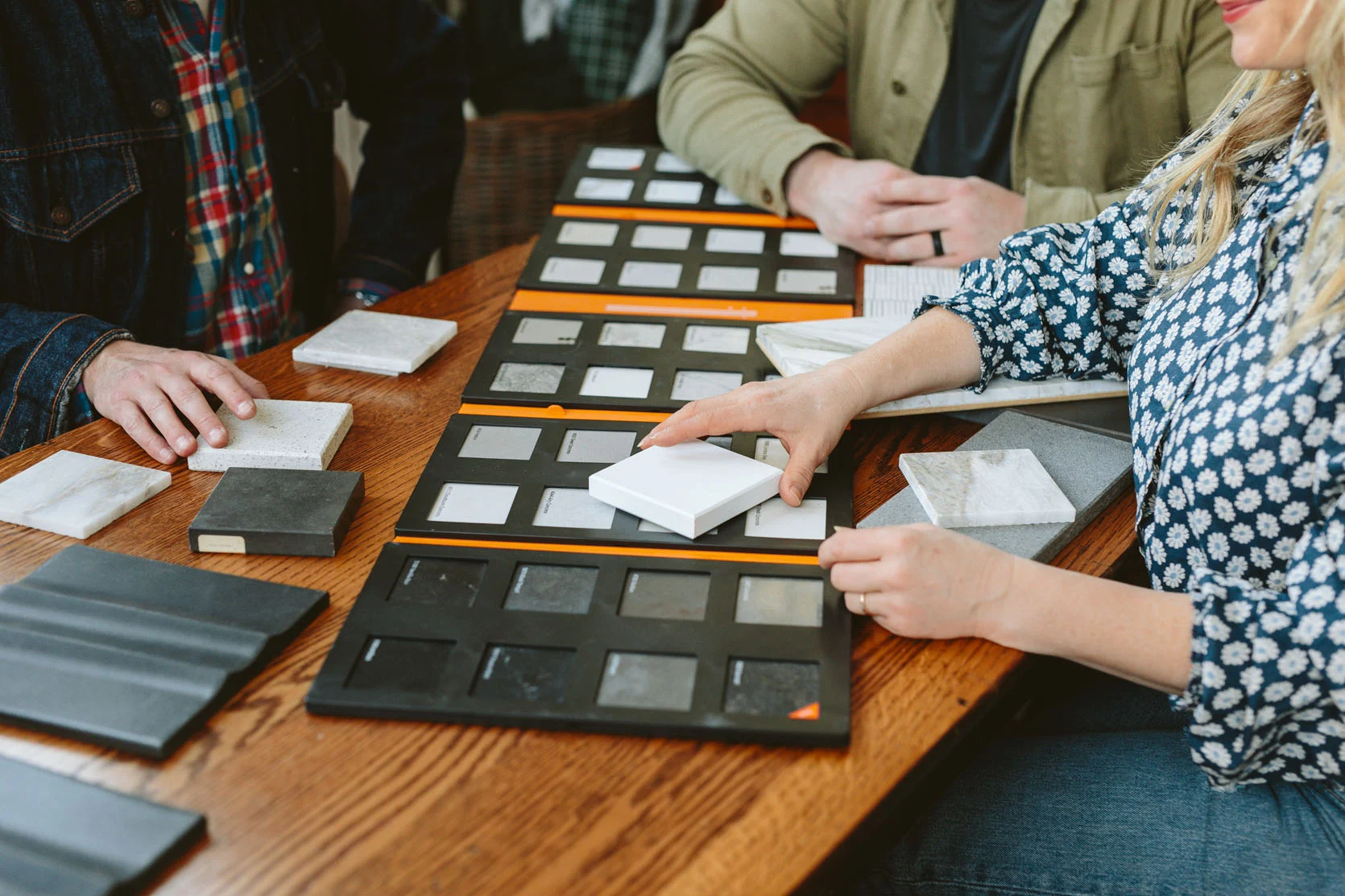
In the countertops showdown between engineered quartz and natural stone, there isn't a one-size-fits-all winner. It truly comes down to personal preference, lifestyle, and long-term goals. If you value ease of maintenance, consistent patterns and colors, and a modern appearance, then quartz could be your champion. It's a resilient, non-porous material that stands up to busy kitchens with minimal fuss.
Verdict: Which One Wins the Countertop Showdown?
For those who appreciate the unmatched uniqueness, traditional luxury, and natural beauty of stone, and don't mind a bit more upkeep, natural stone could take the crown. It can add character and potentially increase your home's value due to its premium and unique aesthetics.
Consider your priorities, consult with professionals, and choose the material that will make your space both functional and joyful for years to come.
Elevate Your Space with Cenvistone Quartz: The Better Choice Over Natural Stone

Cenvistone
Cenvistone offers a compelling alternative to natural stone with its quartz surfaces, combining eco-friendly production methods with high-end design. Unlike natural stone, Cenvistone quartz is engineered for durability, uniformity, and ease of maintenance, making it a versatile option for both residential and commercial projects.
- Eco-Friendly: Cenvistone quartz is sustainably produced, minimizing environmental impact.
- Durable and Non-Porous: Resistant to stains, scratches, and moisture.
- Design Flexibility: Available in a wide range of colors and patterns.
- Low Maintenance: Requires less upkeep compared to natural stone.
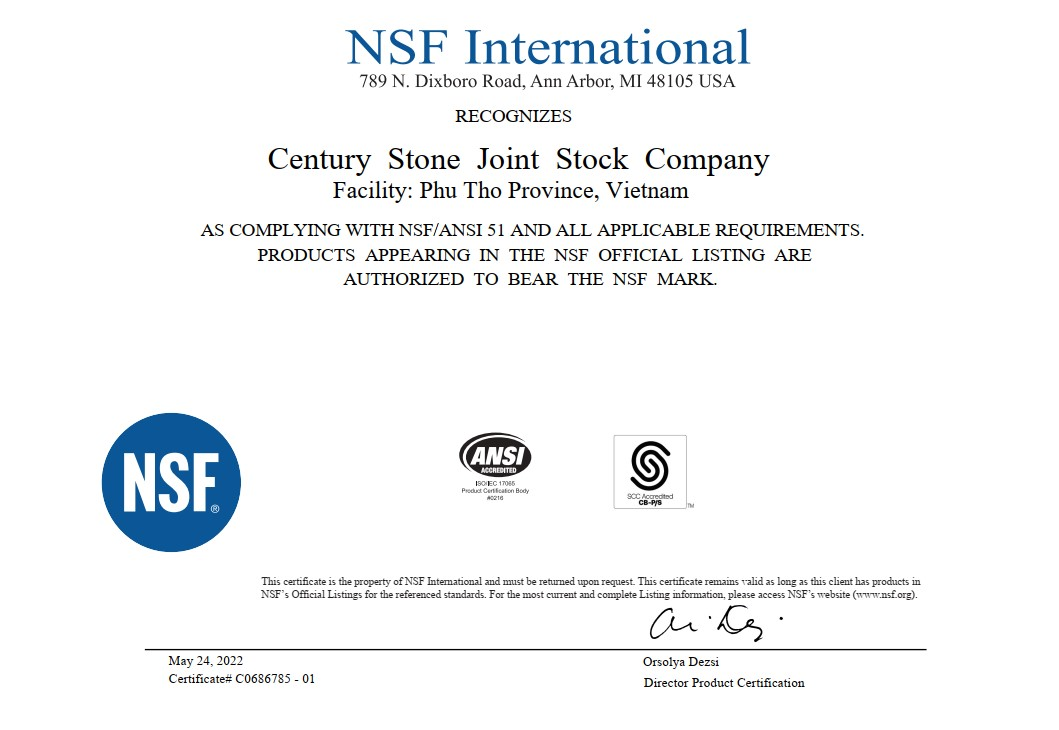
In addition to their design versatility, Cenvistone’s quartz surfaces offer certified safety and hygiene. Recognized by the NSF (National Sanitation Foundation) for their antibacterial properties, Cenvistone slabs allow safe food preparation directly on the surface without worrying about bacterial contamination or stone particles mixing with food. Whether kneading dough or handling raw produce, Cenvistone’s countertops ensure a safe and clean cooking environment, making them ideal for both residential kitchens and commercial spaces.
NSF (National Sanitation Foundation)
FAQs
Is Quartz Cheaper Than Natural Stone?
Quartz and natural stone countertops typically fall within the same price range. However, factors such as the rarity of the stone and the complexity of the countertop design can make natural stone more expensive. It's always best to compare specific types of quartz and natural stones to determine the most cost-effective choice for your project.
Which Countertop Material Offers More Color Options?
Engineered quartz countertops take the lead when it comes to color options. They are available in a wider variety of hues and patterns since their design is not limited by natural stone's variability. This means you can find the perfect shade to match any home décor style.
Do Both Quartz and Natural Stone Require Sealing?
No, not both. Quartz countertops do not require sealing due to their non-porous nature, making them a low-maintenance option. On the other hand, natural stone countertops often need to be sealed regularly to protect against stains and water damage.
Can I Use Knives Directly on Quartz or Natural Stone Countertops?
It's not recommended to use knives directly on quartz or natural stone countertops, as this can dull your knives and possibly scratch the surface. Always use a cutting board to preserve the integrity of your countertops and the sharpness of your knives.
How Do I Maintain the Shine and Finish of My Countertop?
Maintaining the shine of your countertop involves regular cleaning with a non-abrasive cleaner and a soft cloth for quartz, and using products specifically designed for natural stone if you have natural stone countertops. Avoid harsh chemicals and follow manufacturer recommendations to preserve the finish over time.