
 en
en
 Vietnamese
 English
 Chinese
Silestone vs. Quartz Countertops: Key Differences Explained
Quartz vs. Silestone: Unveiling the Best Countertop Options
The Rise of Silestone and Quartz in Modern Kitchens
With the tides of kitchen design trends continually shifting, it has never been more true that the heart of the home beats at the countertop. Today, homeowners in droves are opting for Silestone and quartz countertops, embracing the sleek and lustrous finesse they add to the culinary space. These materials stand at the forefront of modernity, not only elevating the kitchen's design but also promising durability that lasts through the seasons of spills, chops, and intimate family gatherings.
The Pros and Cons of Silestone vs Quartz
The Pros and Cons of Silestone vs Quartz
When deciding between Silestone and quartz countertops, it's essential to balance beauty with practicality. Let's delve into the good and perhaps not-so-good aspects of each material to aid in making a choice that fits just right for your home.
Pros of Silestone:
- Exceptional durability that resists scratches and stains
- Engineered for uniform design and a vast array of colors
- Low maintenance with minimal cleaning required
- Non-porous surface, making it hygienic and resistant to bacteria
- Warranty options due to it being a branded product
Cons of Silestone:
- Can incur heat damage with excessive exposure
- More expensive initial installation due to brand premium
- May require professional repair services in cases of breakage
Pros of Quartz:
- Also incredibly robust and scratch-resistant
- Offers a consistent aesthetic due to its engineered nature
- Non-porous and equally sanitary
- Typically available at a more cost-effective price point
- Diverse range of patterns to mimic natural stone
Cons of Quartz:
- Not as heat resistant as natural stones like granite
- Can be prone to color fading with prolonged UV exposure
- Some homeowners may prefer the natural variances of stone, which quartz lacks
In the comparison of Silestone versus quartz, remember that Silestone is a brand name for countertops made from quartz, thus the pros and cons can be quite similar. However, brand recognition, warranty, and specific designs can sway the decision for Silestone, while the general category of quartz might offer different pricing and patterns.
Silestone vs Quartz Countertops - Defining the Durability and Appeal of Quartz
Quartz has stormed the market with its compelling blend of lasting durability and arresting beauty. Both Silestone and general quartz countertops contain high quartz content, providing an armor-like defense against the everyday wear and tear that comes with a bustling kitchen or a vibrant bathroom.
Defining the Durability and Appeal of Quartz
These surfaces are champions in the ring, taking on chips, scratches, and even the calamities of a dropped knife or a sliding pot without a nick. Thanks to their resiliency, the appeal of quartz extends beyond the sparkle or matte finish; it lies in the knowledge that these countertops can stand the test of culinary battles and crafting marathons, year after year.
Equally important is the non-porous nature of quartz. There's a serenity in knowing that splashes and spills from wine, oils, or makeup won't mar your countertop's facade, leaving stains as mere memories. The low maintenance that accompanies the non-porous surface means more time relishing in your home's beauty and less time worrying about upkeep—simply wipe away life's little messes with ease.
Face-to-Face: Comparing Features
Aesthetics: Style and Color Options
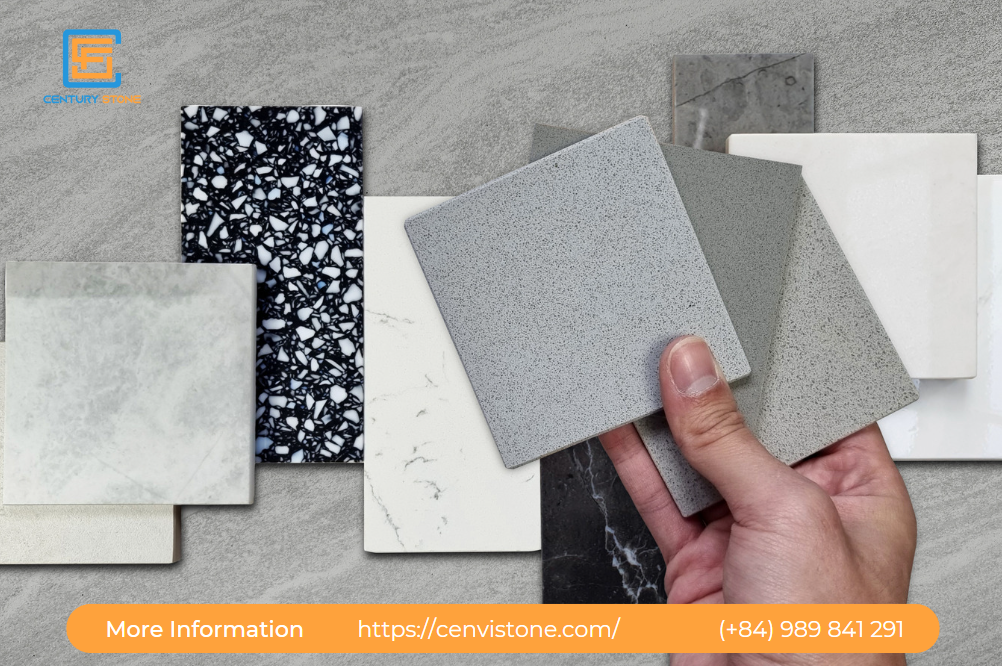
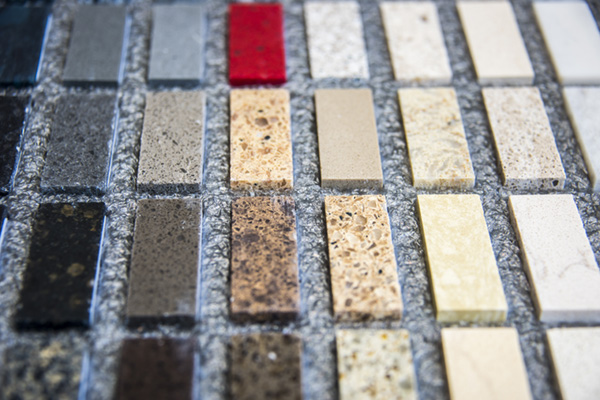
When it comes to dressing up your kitchen with the perfect countertop, aesthetic charm is a deal-breaker. Quartz shines in this realm with its boundless parade of hues and textures that can mirror the swank of natural stone or take on wholly unique patterns. Eyeing that luxurious marbled look or a granular composition? Quartz has you covered.
Aesthetics: Style and Color Options
Silestone takes it up a notch by infusing splashes of audacious colors like vivacious blues and radiant reds not typically found in the quartz family. They even dare with textures that can make your countertop a piece of art – think crocodile skin or delicate lace embossed finishes. Whether your taste leans towards the avant-garde or cozies up with classic elegance, these countertops serve up style in spades.
Switching up your design theme? Not a problem! The versatility of colors and styles found in these materials makes it a breeze to adapt without the bind of a full remodel.
Endurance Test: Scratch and Heat Resistance
You love your kitchen; it's not just a place to cook but a culinary stage where you perform daily. And a worthy stage should endure, right? Enter the endurance test of Silestone and quartz countertops. Let's cut to the chase: both materials boast impressive scratch resistance, safeguarding your countertop's integrity against accidental knife slips or the scuttling of pots and pans.
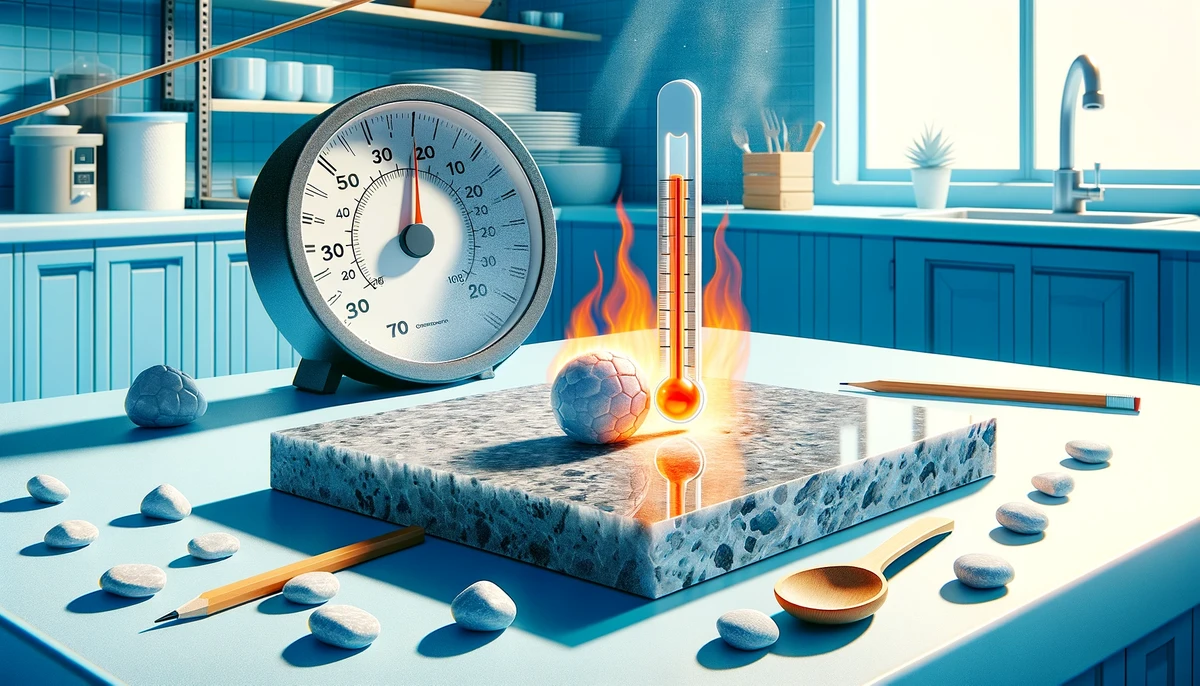
Heat Resistance
However, special attention needs to be paid when it comes to heat. While Silestone and quartz can handle the occasional warm plate, they both dislike the scorch of a hot pot. It's best to avoid direct contact with anything that could act as a hot iron to prevent those tell-tale signs of heat damage. Sometimes, though, caution slips and surfaces suffer; if scratches do appear, a professional polish can often save the day, at least for Silestone.
Your takeaway? For pure endurance, Silestone and quartz are alike as sturdy twins. Just remember, they're not fans of the sun's sizzle or the oven's rage without protection. Treat them kindly with trivets and hot pads, and their beauty and resilience will last for years to come.
Durability: Assessing Scratch and Chip Resistance
Durability isn't just a feature; it's a must when it comes to selecting the right countertop. You're likely asking, "How does Silestone stack up against quartz in the scratch and chip resistance arena?" Well, they're both weightlifters in this category. Quartz, in its essence, is one of the hardest minerals, which makes these surfaces a formidable opponent against scratches and chips that come from everyday kitchen hustle.
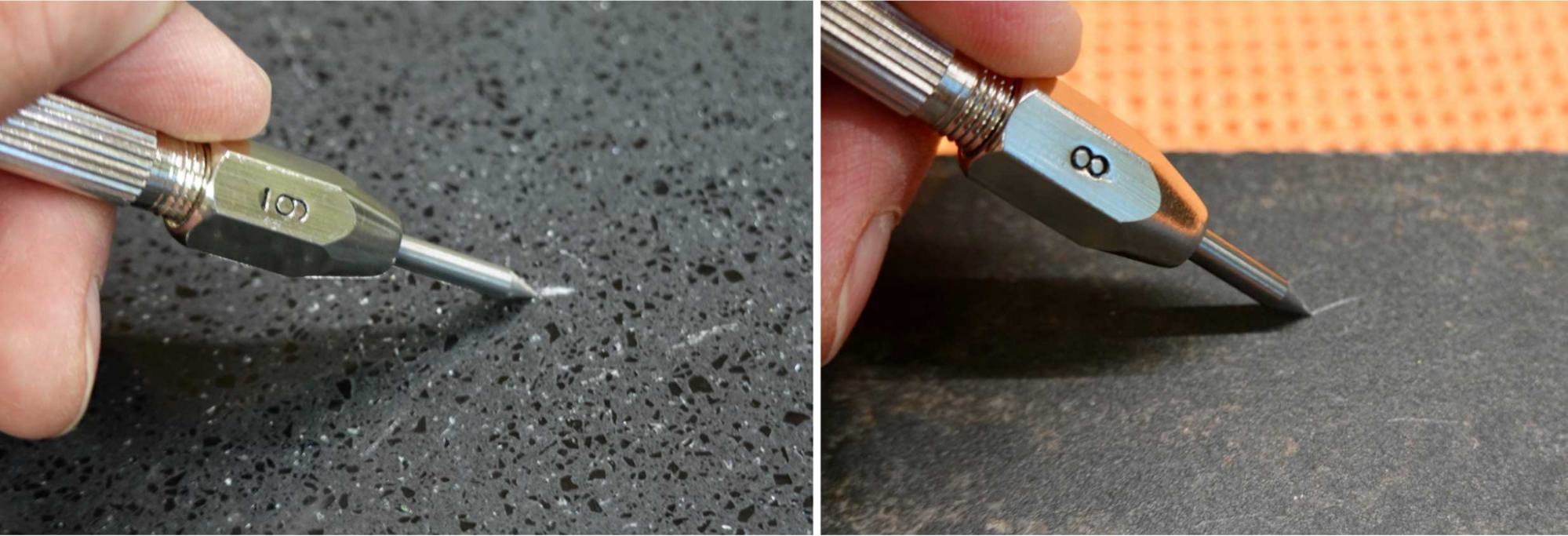
Assessing Scratch and Chip Resistance
Silestone, with its quartz composition, also offers this robust protection. It's got an extra trick up its sleeve, though—some Silestone products are enhanced with proprietary technologies that amplify their chip and scratch-resistant superpowers. But neither is invincible; severe impacts can cause damage, meaning caution and care should always be your kitchen companions.
Whether you're a culinary grandmaster or a weekend baker, you can lean confidently on the virtually indestructible nature of both Silestone and standard quartz to preserve the fresh finish of your countertops. Both materials stand their ground, demanding little else but the celebration of their enduring beauty under the siege of daily life.
Maintenance: Ease of Cleaning and Upkeep
When it comes to maintenance, you can count on both Silestone and quartz countertops to ease the load. Their non-porous nature means spills and stains don't stand a chance; they sit on the surface, begging to be wiped away. You'll find joy in the simplicity of cleanup—a soft cloth, mild soap, and water are your best friends here.
For Silestone, the brand even stands behind this ease of care with a promise of high stain resistance due to their unique surface treatments. You won't need to fret over sealing or special cleaning products. Quartz, too, shines in upkeep, though it's crucial to avoid abrasive cleaners that could dull the surface over time.
Regular maintenance is a breeze, and these materials can look showroom-new with minimal effort. This allows you to focus on the pleasantries of home life without the looming thought of rigorous countertop care rituals.
Cost: Analyzing the Value and Long-Term Investment
Talking about the dollars and cents of it all, Silestone and quartz countertops are considered a wise investment for the long-term homeowner. Initially, the sticker price can induce a bit of sticker shock; these are not the budget-tier laminate of yesteryear. But you're not just buying a countertop; you're investing in a cornerstone of your kitchen's longevity.
Silestone, with its brand recognition and exclusive designs, might nudge your budget a touch higher. Don't forget, though, you're receiving a trademarked product with rigorous quality assurance and a warranty to boot. Standard quartz options might spare your wallet slightly at the outset but offer similar value over their lengthy lifespans.
There's an adage that says, "Buy cheap, buy twice." In the realm of countertops, investing once in a product known for endurance like Silestone or quartz can mean cost savings on repair and replacement down the line.
Remember, it's not just a surface you're purchasing; it's peace of mind for years to come.
Installation: Weighing the Complexity and Professional Recommendations
You're reaching the finish line—the installation of your dream countertop. But before you step onto the podium, let’s talk about what it takes to get these beauties securely and accurately in place. Both Silestone and quartz countertops call for a deft touch and the know-how of professionals. Their weight and the skill needed to ensure a precise fit mean this isn’t a DIY project to tackle after watching a quick how-to video.
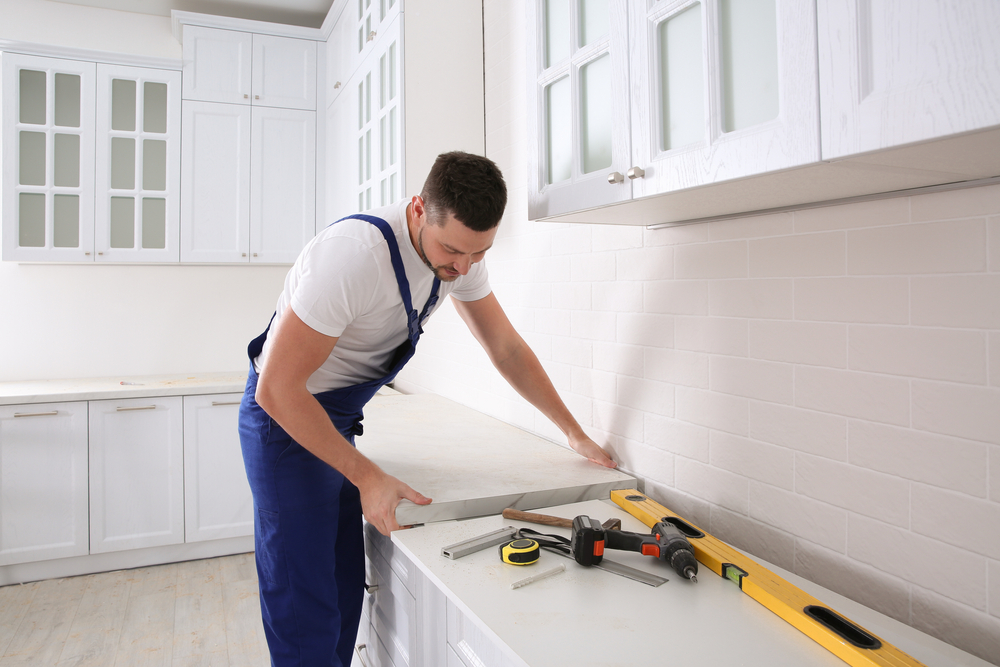
Installation: Weighing the Complexity and Professional Recommendations
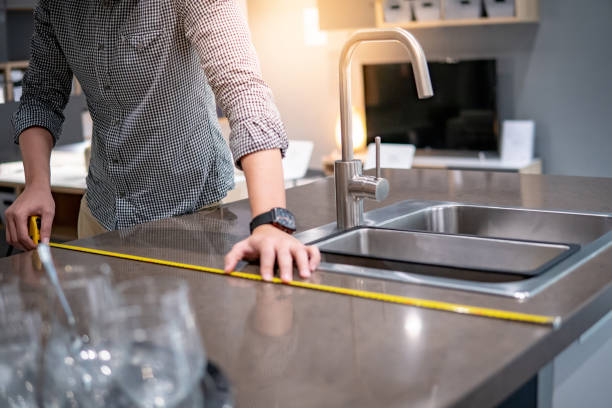
Professional installers will handle the heavy lifting, as well as the careful measuring and cutting required to accommodate sinks, appliances, and awkward corners. Expertise in the field is particularly crucial for Silestone installations, as warranty compliance often necessitates certified installers to do the job.
Moreover, installers will advise on the proper support structures and cabinet reinforcements needed to bear the weight of these stone slabs, ensuring the safety and longevity of the installation. While it may be tempting to save on costs, skimping on professional installation could cost you more in the long run with potential mishaps, so it's an investment well worth making.
Environmental Impact: Assessing the Eco-Friendliness of Each Option
In today's world, the environmental footprint of our choices has never been more scrutinized, and rightfully so. Both Silestone and quartz countertops carry certain eco-credentials, as well as points of improvement, on their ledger.
Quartz, the main component in both materials, is plentiful, reducing the environmental strain from over-extraction. Silestone further tilts the scale by being manufactured with a significant amount of recycled materials, and its parent company, Cosentino, often highlights its commitment to sustainable practices.
However, there's no dodging the carbon footprint associated with mining and transportation. Plus, the production process of engineered stone requires energy, although advancements in manufacturing techniques are gradually minimizing this impact.
Environmental Impact
Both options, when compared to certain other materials, rank well in terms of long life cycles and durability, leading to less frequent replacements and, consequently, a reduction in resource use over time. Yet, the end-of-life recyclability of composite stones like Silestone and quartz could be better, an area where the industry is seeking innovative solutions.
Silestone vs Quartz - Budgeting Your Build: Cost Implications
Initial Costs: Price per Square Foot Comparison
When you're ready to crunch the numbers for your countertop project, you'll see that both Silestone and generic quartz surfaces play in the same ballpark. Depending on factors like the grade of stone and the complexity of the design, prices hover around $70 to $100 per square foot installed for each brand – though Silestone's premium options can push the upper limit of this range.
Initial Costs: Price per Square Foot Comparison
Emphasizing initial costs, the price per square foot will include both material and installation fees. Silestone's pricing varies across its design groups, with simpler designs and colors at the lower end ($60 - $80 per square foot), while the more intricate and luxe options can leap up to $90 - $140 per square foot.
On the flip side, generic quartz might edge out Silestone just slightly in terms of cost-effectiveness, particularly for standard designs and colors. Still, it pays to remember that both options are akin to an investment piece for your home, promising enduring elegance and durable service for many cooking endeavors to come.
Long-Term Value: Maintenance and Replacement Costs
Key to your decision should be not just the initial outlay but also the long-term value. Down the road, maintenance and possible replacement costs are where Silestone and quartz countertops really earn their stripes. Their formidable toughness and resistance to wear mean that, barring a significant mishap, the likelihood of needing a replacement is slim.
The savings are day-to-day, too. Unlike materials that require periodic sealing or specialized cleaning products, both Silestone and quartz countertops demand little more than a wipe-down with soapy water. It's this blend of low maintenance and high durability that undeniably sweetens their long-term economic appeal.
When you consider the potential boost in property value due to the forever-in-fashion look of Silestone or quartz, it's clear that either choice can be a savvy fiscal move. Durability, timeless aesthetics, and ease of care all contribute to a countertop solution that provides lasting benefits without ongoing costs.
Which is Best For Your Home? Silestone or Quartz
Choosing between Silestone and quartz for your home boils down to your unique needs and personal style. If brand recognition, a wide array of color options, and comprehensive warranty coverage top your priority list, then Silestone may be your match. It's the go-to for homeowners who value innovative designs backed by a brand that stands behind its product.
On the other hand, if your goal is to achieve a similar level of beauty and reliability without the brand-name price tag, generic quartz countertops can be just as stunning and resilient. With an extensive range of brands and styles, you're likely to find the perfect fit for your budget and aesthetic preferences.
No matter which path you choose, rest assured that both options promise to enhance your home's functionality and beauty for years to come, making either a solid choice for your renovation or build. And remember, reaching out to skilled professionals can help crystallize your vision, turning the dream of your ideal space into a tangible, beautiful reality.
Cenvistone: Your Top Pick for Affordable, High-Quality Quartz Materials
In the comparison between quartz and Silestone, Cenvistone emerges as a strong contender for those seeking high-quality quartz at an affordable price. As a leading supplier in Vietnam, Cenvistone offers a wide variety of quartz slabs that rival premium brands like Silestone but at a more accessible price point. Homeowners can enjoy the luxury and durability of quartz without exceeding their budget, making Cenvistone the go-to choice for cost-effective countertops.
What sets Cenvistone apart is the balance it strikes between affordability and craftsmanship. Our collections, like the Calacatta and Exotic ranges, provide stunning designs that mimic natural stones, offering both beauty and resilience. While Silestone is well-known for its brand recognition, Cenvistone provides a competitive edge with its high-quality quartz materials that meet the needs of both style-conscious and budget-savvy homeowners. For anyone looking to invest in quartz countertops, Cenvistone offers the perfect blend of price, quality, and design.
FAQ
Is Silestone or quartz better for high-traffic kitchens?
Both Silestone and generic quartz countertops offer the durability needed for high-traffic kitchens. They're built to withstand heavy use without showing wear and tear too quickly. Silestone comes with patented N-Boost technology, enhancing stain and scratch resistance, which might give it a slight edge in very busy kitchens. However, both options will perform admirably, providing a robust work surface.
Can both Silestone and quartz countertops resist stains and bacteria?
Absolutely! Silestone and quartz countertops excel at resisting stains and bacteria due to their non-porous nature. This quality means that substances like wine, coffee, and oils simply can't penetrate the surface, ensuring easy cleaning and hygienic food preparation areas.
Which option offers more variety in terms of design and aesthetics?
Silestone takes the lead in design and aesthetic variety, offering over 90 colors and unique finishes like suede and volcano textures. If you're looking for a broad spectrum of patterns and color choices to match your home's décor, Silestone might be the more suitable option for you.
Are there significant price differences between Silestone and quartz countertops?
Silestone tends to be slightly more expensive than quartz due to its brand name and the extensive range of unique patterns and colors it offers. However, prices can vary widely based on the specific type of Silestone or quartz, as well as the size and complexity of the project. Both materials are generally fairly aligned in cost when compared across similar quality levels.